

preloader

Search Here

Blog News

post-thumb

In a world where borders are becoming increasingly permeable, the concept of healthcare has transcended geographic limitations. Medical Tourism is not just a trend; it's a transformative approach to wellness that has gained momentum in recent years. Let's delve into the realm of Medical Tourism, exploring its benefits, challenges, and the profound impact it has on individuals seeking a holistic approach to health.

*The Global Pursuit of Health:*

Medical Tourism represents a paradigm shift in how people perceive and access healthcare. No longer confined to local healthcare systems, individuals are now venturing across borders in pursuit of specialized treatments, advanced procedures, and holistic wellness experiences. The world has become a global health marketplace, offering a diverse array of options for those seeking transformative care.

*Seeking Excellence Beyond Borders:*

One of the driving forces behind Medical Tourism is the quest for excellence. Patients are drawn to renowned medical institutions and specialists, often in countries that boast advanced healthcare infrastructure and expertise. This global pursuit of excellence is reshaping the narrative around healthcare, empowering individuals to make informed choices about their well-being.

*Holistic Wellness Journeys:*

Medical Tourism with its holistic approach goes beyond the conventional realms of healthcare. It intertwines medical treatments with immersive travel experiences, creating a unique synergy that promotes not only physical healing but also mental and emotional well-being. Patients find themselves on wellness journeys, exploring new cultures, and rejuvenating in picturesque destinations, all while receiving expert medical care.

*Challenges and Solutions:*

While the benefits of Medical Tourism are evident, challenges such as navigating foreign healthcare systems, language barriers, and cultural differences do exist. This is where specialized Medical Tourism facilitators, like AMT Global, play a pivotal role. These organizations streamline the process, providing end-to-end services, from visa assistance to treatment plans, ensuring a seamless and stress-free experience for patients.

*The Rise of Specialized Medical Travel Services:*

like AMT Global are at the forefront of this transformative shift, offering a spectrum of services tailored to the unique needs of Medical Tourism. From treatment assistance to visa processing, these facilitators act as guides, simplifying the journey for individuals seeking international healthcare.

*Empowering Patients, Redefining Healthcare:*

Medical Tourism is more than a journey; it's an empowerment of individuals to take control of their health and well-being. It challenges the traditional boundaries of healthcare, opening doors to a world of possibilities. With the right support, individuals can navigate the global landscape of healthcare, choosing excellence and embracing transformative wellness experiences.

In conclusion, Medical Tourism is not just a trend; it's a testament to the evolving nature of healthcare. As individuals embark on journeys to wellness, the boundaries between health and travel blur, and a new era of holistic well-being emerges. The transformative power of Medical Tourism lies not only in the destinations it leads to but in the empowerment of individuals to shape their own paths to health, wherever in the world that may be.
post-thumb

Parkinsons disease is a disease characterized by the loss of brain cells that disrupts the functioning of the nervous system and the parts of the body governed by nerves. This disease, which can also be defined as a movement disorder, is slowly progressive. Although it is more common in older people, it is also seen in young people. People over 60 years are less likely to be affected. The most prominent feature of this disease is tremors. However, since it is a <,>slowly progressive disease, the tremors symptom may not be noticed immediately. Parkinsons disease, which is caused by a decrease in dopamine cells, also has some risk factors. It also emerges as a genetic disease. Since it is a disease that reduces the quality of life of the person, it should be treated as soon as possible.

Causes Of Parkinsons Disease

The precise cause of Parkinsons disease is unknown. However, according to research, some factors are known to play a major role in the development of this disease. Although it is not common, genetic factors are one of the important factors that cause this disease. Environmental factors can also be among the causes of this disease. However, some risk factors for Parkinsons disease are as follows:

  • Advanced age
  • Male gender
  • Head trauma
  • Well water use in rural life
  • Exposure to toxins
  • Pesticides

Symptoms Of Parkinsons Disease

Parkinsons disease, a neurodegenerative disorder, progresses slowly. Therefore, its symptoms cannot be observed immediately. There are many symptoms of this disease, which begin to manifest themselves with movement disorders. The symptoms can sometimes be confused with depression or bone diseases. However, the co-occurrence of some symptoms may raise suspicion of this disease. Symptoms of Parkinsons disease include the following:

  • Tremors in certain parts of the body (arms, legs, and jaw)
  • Fatigue
  • Decreased cognitive function
  • Anxiety
  • Depression
  • Slowness of movements
  • Stiffness in arm and leg movements
  • Speech impairment
  • Muscles in certain areas of the body become more contracted.
  • Gait disorders
  • Balance disturbance

After a while, these symptoms start to be observed insidiously. However, tremors are among the most important symptoms of this disease. Tremors can occur in the hands, feet, lips, or jaw. If tremors occur without movement, it is natural to suspect Parkinsons disease. It is important to pay attention to other symptoms, especially tremors. If the above symptoms are observed for a long time, you should consult a doctor.

In addition to all these symptoms, Parkinsons disease also causes some problems. In the early stages, psychological factors such as depression and fear are part of the disease. However, in the advanced stages of the disease, thinking difficulties can also occur. Other complications of Parkinsons diseaseinclude difficulty swallowing, chewing, and eating. The disease can also affect the digestive and intestinal systems, causing bladder and urinary problems. Parkinsons disease can also cause sleep problems and disorders.

Parkinsons Disease Diagnosis

Parkinsons disease is diagnosed through neurological examinations. Before diagnostic methods are used, the patients medical history and complications are known. Therefore, the diagnosis is based on the clinical history and neurological examination. Blood tests and MRI imaging are among the important diagnostic methods for this disease. DAT-Scan is also one of the advanced diagnostic methods. This diagnostic method also enables the early diagnosis of Parkinsons disease.

Parkinsons Disease Treatment

Parkinsons disease is usually treated with medication. However, surgical treatment can be applied to patients who do not respond to medication. Therefore, Parkinsons disease is treated in two ways: medication and surgery. Since Parkinsons is a type of disease caused by low dopamine, dopamine-enhancing drugs are used. When Parkinsons medications are used in high doses and continuously, they can cause some side effects. Fluctuations in the form of dyskinesia, complete unresponsiveness, or hyperactivity are among these side effects, albeit short-term.

Since Parkinsons disease is progressive, medication should be administered accordingly. Although there are no treatment methods that can completely stop the disease, there are methods that positively affect the patients daily quality of life. There are even treatments that are highly responsive when diagnosed. Below you will find information about drug and surgical treatment methods for Parkinsons disease:

Medication

Dopamine-boosting drugs control tremors and movement problems caused by Parkinsons disease. The active ingredient, levodopa, is very effective for this disease. Drugs that help control the persons movements caused by Parkinsons disease may lose their effect when used for a long time. However, the disease may also be more advanced. The drugs generally used in this treatment are as follows:

  • Carbidopa-levodopa
  • Carbidopa-levodopa infusion
  • Inhaled carbidopa-levodopa
  • Dopamine agonists
  • Catechol O-methyltransferase (COMT) inhibitors
  • Amantadine
  • Anticholinergics
  • Adenosine receptor antagonists (A2A receptor antagonist)
  • MAO B inhibitors
  • Nuplazid (Pimavanserin)

Surgical Procedures

Parkinsons disease that cannot be controlled with medication can be better controlled with surgical procedures. However, surgery may not be a suitable treatment for everyone. Here is information about surgical procedures for Parkinsons disease:

Deep brain stimulation: Deep brain stimulation is a surgical procedure in which electrodes are placed in a specific part of the brain. This surgery involves risks such as br ain bleeding, stroke, and infection. Deep brain stimulation can be performed for people with advanced Parkinsons disease. By reducing tremors and involuntary movements, DBS controls most symptoms of this disease. However, it also controls dyskinesia.

Deep brain stimulation is one of the modern medical treatments. It can also be used for Parkinsons disease, a disease in which tremors cannot be controlled. Someone with 5 years of Parkinsons disease may be a candidate for brain pacemaker treatment. The pacemaker, which has a lifespan of 3-6 years, can be used temporarily. This treatment does not eliminate the symptoms of the disease. It aims to improve the quality of daily life by controlling some symptoms of the disease. However, this treatment is not recommended if the person has psychiatric problems.

MRI-guided focused ultrasound (MRgFUS): This is a minimally invasive treatment to control the tremor in Parkinsons patients. The MRI is directed to the tremor area in the brain. Due to the heat of the ultrasound waves, the areas that cause tremors are burned. This is one of the advanced treatment options for Parkinsons disease

post-thumb

10 Dec

What Causes Hair Loss?
  • By Admin
  • Advice, Fitness

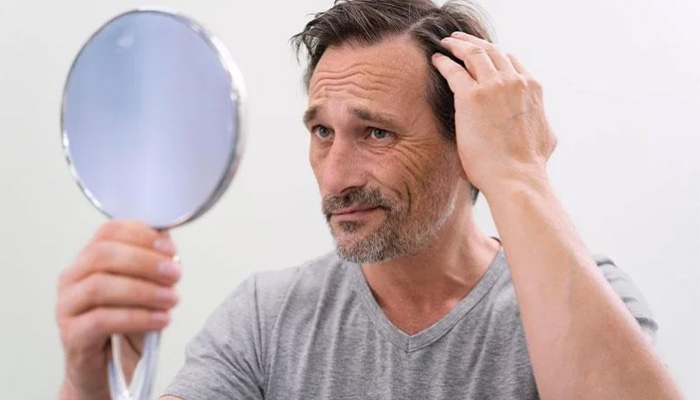
Losing your locks is not just a cosmetic issue, but a significant concern for your overall health. Hair Loss, can shake your confidence and self-esteem, affecting both personal & professional aspects of life. It can occur at any age, and its root causes are often complex & multifactorial.

How Can I Stop My Hair From Falling Out?

If you find yourself grappling with hair loss, take solace in the fact that there are numerous strategies and treatments available to help you combat this challenge and regain control over your hair. To halt hair loss and promote regrowth, its important to identify the underlying causes, whether genetic, hormonal, nutritional, or stress-related.

Hair Transplantation And Procedures In Turkey

Turkey has become a popular destination for hair transplantprocedures due to the country’s advanced medical technology and affordable prices. If you are considering hair transplant in Turkey. look no further than Turkishdoc company. Our reliable healthcare services ensure that you receive the best value for your money. Contact us today to schedule a consultation and let us help you achieve the full head of hair you’ve always wanted.